The office will be closed on December 25th & 26th, and on January 1st, 2026, in observance of Christmas and New Year.

We do not accept Medicaid & HMO.


What Is TMJ/TMD?
The temporomandibular joints are located where the lower jaw meets the skull on each side of the face. Along with the surrounding muscles and other structures, these joints help your jaw move when you speak, chew, and yawn.
TMJ is the jaw joint itself, while TMD refers to a group of conditions involving the joint, chewing muscles, and nearby structures. However, many people commonly use “TMJ” when referring to both the joint and problems affecting it.
Occasional jaw discomfort does not necessarily mean you have a TMD. If symptoms persist, repeatedly return, or interfere with normal jaw movement, an evaluation may be appropriate.
Common Signs and Symptoms of TMJ Problems
Possible symptoms include:

Jaw pain or tenderness

Frequent jaw tension or muscle fatigue

Clicking or popping accompanied by discomfort

Pain or discomfort when chewing

Trouble or soreness when moving the jaw

Teeth clenching

Teeth grinding, also called bruxism

Tight or sore facial muscles

Headaches that occur along with jaw tension

Ear-area discomfort that may be related to the jaw
A dental evaluation can help determine whether your symptoms may involve your jaw joints, chewing muscles, teeth, or another concern.

What Causes TMJ Problems?
TMD symptoms can have different contributing factors, and the exact cause is not always clear.
Possible contributors can include:
- Teeth grinding or bruxism
- Frequent teeth clenching
- Increased tension in the jaw muscles
- Stress-related muscle activity
- Injury or trauma involving the jaw
- Overuse of the muscles involved in chewing
- Certain conditions affecting the jaw joints or surrounding muscles
The cause of TMD symptoms is not always clear, so TMJ disorder treatment depends on the patient's symptoms and clinical findings.
TMJ Treatment Options at New Tampa Smiles
We first assess your symptoms and possible contributing factors before discussing appropriate treatment options.
Depending on your needs, recommendations may include:

Simple measures intended to reduce unnecessary strain on the jaw

Strategies for reducing clenching or grinding habits

A custom nightguard or oral appliance when appropriate

Evaluation of the teeth, jaw movement, and surrounding muscles

Recommendations based on whether muscle tension or clenching appears to be contributing to symptoms

Botox® as an option for selected patients with muscle-related tension, clenching, or bruxism

Referral for additional evaluation when necessary
The appropriate approach depends on your symptoms, examination findings, and individual needs.

Botox for TMJ and Jaw Tension
Botox® is a botulinum toxin product used to temporarily decrease activity in specific muscles.
The masseter is one of the primary muscles involved in chewing and clenching. For patients whose symptoms involve significant jaw-muscle activity or clenching, Botox for TMJ in Tampa may be discussed as one possible option after an evaluation.
Botox does not address every possible cause of TMJ symptoms, and evidence regarding botulinum toxin for TMD remains limited and mixed. Its use for TMD or bruxism is considered off-label, meaning it is not specifically FDA-approved for these conditions.
Is Botox the Right Treatment for TMJ?
Not everyone experiencing TMJ-related symptoms is a candidate for Botox. The doctor will consider your symptoms, dental and medical history, jaw movement, muscle tenderness, and clenching or grinding habits before discussing this option.
Because TMD symptoms may involve the jaw joint, chewing muscles, or both, some patients may be better suited to conservative measures or a nightguard. Your evaluation helps determine which approach may be appropriate.
TMJ Treatment for Teeth Grinding and Clenching
Bruxism refers to grinding or clenching the teeth and may occur while awake or during sleep. Repeated grinding or clenching can place additional force on the teeth and may occur along with jaw fatigue, tightness, discomfort, or tooth wear.
If bruxism appears to be part of your concerns, teeth grinding treatment may include a custom nightguard to help protect the teeth from grinding forces when appropriate.
Botox should not be considered a guaranteed solution for bruxism. If significant muscle activity or clenching is part of the clinical picture, the doctor can discuss whether Botox is an appropriate option to consider.
What Can You Do About Jaw Tension?
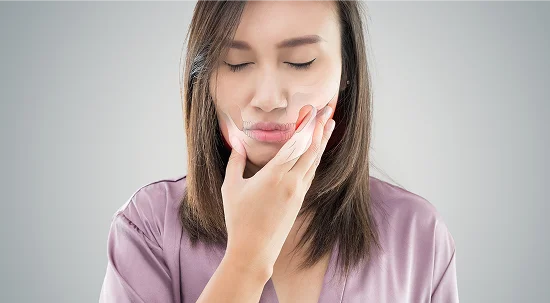
Jaw tension may occur alongside clenching, grinding, or overuse of the chewing muscles. Some people clench their teeth while concentrating, working, driving, or experiencing stress without realizing it, so becoming aware of daytime clenching habits may be helpful.
Persistent jaw tension should not automatically be assumed to result from TMD or stress. Jaw and facial discomfort can have several possible causes. An evaluation allows the doctor to assess your symptoms and determine whether dental management or additional evaluation may be appropriate.
When Should You See a Dentist for TMJ Symptoms?
An evaluation may be appropriate if you experience:

Persistent or recurring jaw pain

Frequent jaw tension or muscle fatigue

Pain or discomfort while chewing

Difficulty opening or closing your mouth

Frequent clenching or grinding

Headaches that repeatedly occur along with jaw tension

Clicking or popping accompanied by pain or limited movement

Tooth wear that may be associated with grinding
Schedule a Free TMJ Consultation & Evaluation
If you are experiencing ongoing jaw tension, clenching, grinding, or other TMJ-related symptoms, we offer a free TMJ consultation and evaluation to discuss your concerns.
Our Tampa office serves patients from New Tampa, Tampa Palms, and surrounding communities. Contact us to book your consultation and discuss treatment options, including whether Botox may be appropriate for your individual needs.
